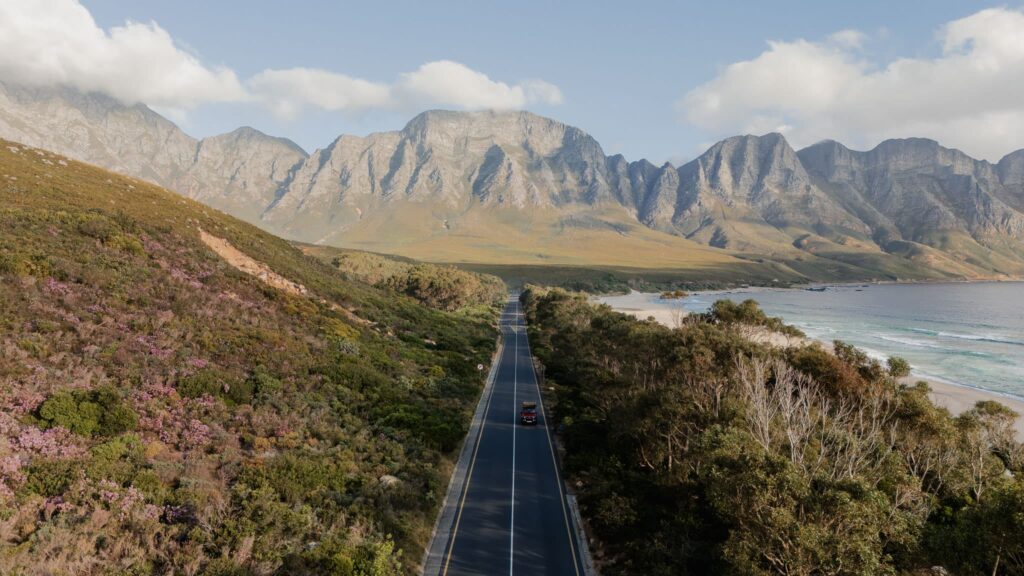
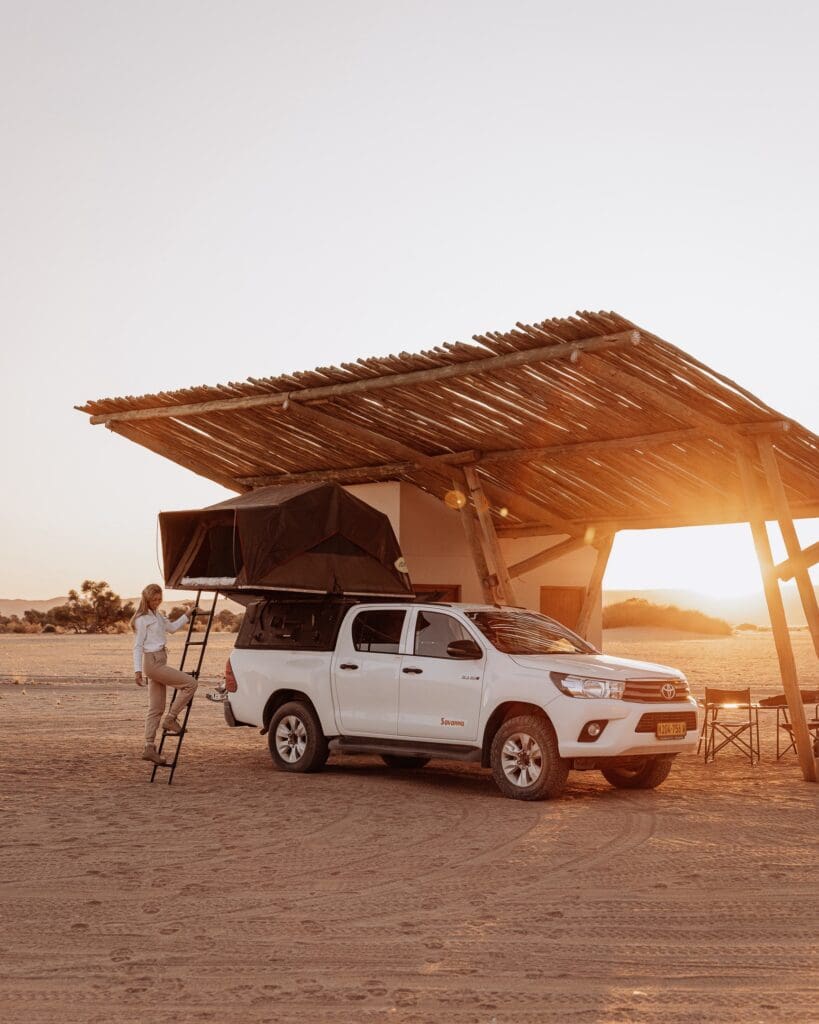
If you really want to understand Madagascar, you have to hit the road.
A road trip in Madagascar is more than just a series of stops. It’s a real adventure. Every day, the scenery changes, the atmosphere shifts, and you discover a new side of the island.
The itinerary we’ve put together is comprehensive and well balanced, giving you the chance to enjoy a whole host of unforgettable experiences. You’ll spend long hours travelling along the legendary RN7, which links Tana with the island’s southwest. Once you arrive, you can enjoy a well-earned break on the Malagasy coast before ending your trip immersed in the tropical rainforest of the east.
The team's tips
- This is one of the most comprehensive itineraries for a road trip in Madagascar, combining the RN7, the coast and tropical rainforest
- Allow around 14 to 15 days to enjoy it fully without rushing
- Travel times are long, so it’s better to plan fewer stops and organise them well
- Combining a car with a domestic flight helps you avoid backtracking
- Late October to early December is the ideal time for this type of itinerary
Day 1: Arrival in Antananarivo
Your road trip in Madagascar usually begins at night, at Ivato International Airport, just outside Antananarivo.
When you leave the airport after your long flight, the Malagasy air hits you immediately. It feels different, warmer and denser. Even at night, you can already tell you’re somewhere else.
Depending on your arrival time, you’ll head straight to your accommodation, usually somewhere near the airport to avoid an unnecessary long journey after your flight. It’s a simple, low-key first night, giving you the perfect chance to recover from your journey and recharge before the adventure begins.
Although it’s a short first day, it already marks the start of your expedition. The next morning, things really get going, with your first hours on the road.

Day 2: Antananarivo → Antsirabe
This is where your road trip through Madagascar really begins.
You leave Antananarivo and head towards Antsirabe, with around five hours of driving through the Highlands. As soon as you leave the city, the scenery starts to change. Expect terraced rice fields and lush green hills.
Throughout the day, you pass through lively, authentic villages that add rhythm to the journey. You soon realise that in Madagascar, the road is part of the experience. One of the highlights along the way is the colourful town of Ambatolampy, where you’ll see everyday local life, a small market and artisans at work.
Once you arrive in Antsirabe, the pace slows down. It’s the country’s second-largest city, but its atmosphere is peaceful and the climate pleasant. This first stop gives you time to ease into the rhythm of Madagascar before continuing towards wilder regions. You’ll also start finding your bearings in this new environment.

Day 3: Antsirabe → Ranomafana
A long day on the road lies ahead. You’re set for a seven-hour drive south, but the extraordinary scenery unfolding before you makes the time fly by.
The kilometres roll by and the landscape gradually changes. You leave the Highlands behind as the rice fields give way to denser, more tropical vegetation. The increasingly humid air tells you that you’re getting closer to the jungle.
By the end of the day, you arrive in Ranomafana. This village, located at the entrance to the national park, is surrounded by lush forest and bordered by a river. Save your park visit for the next day and soak up the lush green surroundings. For a relaxing break, why not visit the town’s thermal baths? The contrast with the day before is striking and gives you a glimpse of what lies ahead for the rest of your trip.
Day 4: Ranomafana National Park
After spending the night at the park entrance, it’s time to discover what lies within. You’ll enter one of Madagascar’s richest ecosystems.
Spend the whole day exploring Ranomafana National Park. The park offers a wide range of hiking trails, varying in length and difficulty. Accompanied by a guide, you’ll set off on foot through dense, humid rainforest teeming with life. The local wildlife is exceptional, with plenty of animals to spot, including lemurs, reptiles and butterflies. You’ll cross bamboo forests and catch sight of delicate wild orchids along the trails.
The experience is immersive, making you feel completely cut off from the outside world. Every hike becomes an adventure, with time to slow down, observe and listen.

Day 5: Ranomafana → Fianarantsoa → Andringitra
Today, you hit the road again and continue south through Madagascar.
The jungle gradually gives way to a changing landscape. Along the way, you stop in the city of Fianarantsoa. Built on a hillside, it is divided into three levels. As a wine-producing region surrounded by vineyards, it is a delight for wine lovers. As you leave the city, you notice how much the scenery has changed. It has become more open and rugged, with mountains beginning to take shape on the horizon.
The atmosphere here feels more remote, almost untouched by time. Far from the lush green hills you left behind this morning, rocky peaks now rise ahead of you. While some areas are still covered in forest, plains also stretch out across the valleys.
Day 6: Andringitra National Park
You set off to explore Andringitra National Park, a completely different experience from your time in Ranomafana. Hike through rugged, dramatic landscapes, with valleys, cliffs and endless views shaping the day.
Once again, you can choose from a variety of hiking trails to discover these extraordinary landscapes. The park is home to many highlights, including Pic Boby, the island’s second-highest peak, and Riambavy Waterfall, which plunges 300 m. It’s also an opportunity to spot species found only in Madagascar, and sometimes only in this region.
This is a more active stop, but also one of the most memorable of the trip. The sense of space and freedom is especially strong here.

Day 7: Andringitra → Anja Reserve → Isalo
You hit the road again, heading towards Isalo.
On the way, you stop at the Anja Nature Reserve. It’s best known for its lemur population, and it’s the perfect place to see them up close in their natural habitat.
After visiting the reserve, you get back in the car. The scenery gradually changes, more dramatically this time. LVegetation becomes sparser, the landscape drier, and the rock formations signal your arrival in Isalo. This is one of the most striking transitions of the trip.
Day 8: Isalo National Park
Today, you explore one of Madagascar’s most iconic national parks. Canyons, rock formations and natural pools create a spectacular setting. The hike alternates between paths through the gorges and impressive viewpoints.
The park is home to several must-see attractions. You’ll find waterfalls and pools such as the Natural Pool and the Nymphs’ Waterfall, as well as lush canyons like the Lemur Canyon and Rat Canyon. Finally, watch the most beautiful sunset of your life through the Isalo Window.
It’s an easy but particularly memorable stop. The light and colours make the landscape even more impressive.

Day 9: Isalo → Ifaty
It’s time to leave the inland region behind and head for the coast. After around five hours on the road, you arrive in Ifaty. The atmosphere changes straight away: it’s calmer and more laid-back, with the ocean in the background. The air feels warmer and drier, and the pace naturally slows as soon as you arrive.
The landscape changes too, giving way to more arid vegetation and the famous baobabs of southwestern Madagascar. You can feel that you’re entering a different side of Madagascar, more coastal and more peaceful. From here on, your days revolve around the sun and the ocean.
This also marks the end of the driving section of the trip. After several days on the road, the change of pace is especially welcome, offering a gentle transition into a more relaxing final stretch.

Day 10: Ifaty, free day
After several days on the road, your day in Ifaty is the perfect chance to recharge. Take it at your own pace, there’s something here for everyone.
If you’re looking to relax, unwind on the paradise beaches and stretch out on the white sand, just a few metres from the refreshing turquoise water. Swimmers can dive or snorkel in the lagoon, where the coral reef is home to an extraordinary underwater world. If you’d rather stay on the water, try your hand at a traditional pirogue. You can also go hiking through the thorny forest along the coast.
It’s also the perfect opportunity to simply enjoy the moment, with no pressure and no schedule to follow.

Day 11: Ifaty → Toliara → Antananarivo
You head to Toliara to catch a domestic flight to Antananarivo. This saves you several days on the road and makes the itinerary much smoother. You’ll be back in the capital later that day.
This transition marks a new stage in the trip, with a temporary return to a more urban atmosphere. It’s also a chance to rediscover the capital you left so quickly at the start of your adventure.
As you might expect, Madagascar’s capital has plenty to offer too. With its lively narrow streets, markets and viewpoints, it reveals another side of the country. It’s also home to several historic buildings that are well worth seeing, each bearing witness to Madagascar’s rich history.
Day 12: Tanarive → Andasibe
You then head east. Within a few hours, the change in scenery is striking. The vegetation becomes dense again, the air more humid, and you’re back in a tropical setting that contrasts sharply with the landscapes of the south.
You arrive in Andasibe in the afternoon, at the edge of Andasibe-Mantadia National Park, one of the country’s most accessible and best-known destinations for lemur spotting. This is where you can hear, and often see, the famous indri, Madagascar’s largest lemurs, recognisable by their powerful calls echoing through the forest.
The park is also known for its exceptional biodiversity: chameleons, frogs, endemic birds and more. Much of Madagascar’s wildlife can be spotted along relatively accessible trails. It’s the perfect setting for one final immersion in nature, with a gentler approach that’s every bit as fascinating.

Day 13: Andasibe-Mantadia National Park
Today, you’ll explore one of the country’s most iconic parks. Andasibe-Mantadia National Park is known for its well-maintained trails, making it easy to venture deep into the forest while maximising your chances of spotting wildlife.
With a guide by your side, you’ll set out in search of the park’s different lemur species, often visible from just a short distance away, as well as many other animals, including chameleons, geckos and a wide variety of endemic birds. Every outing feels like a real exploration, teaching you how to observe the forest and spot its finer details.
This stop is more accessible than some of the previous ones, but just as rewarding. It’s the perfect way to end your trip immersed in nature, without anything too demanding.

Day 14: Andasibe → Antananarivo
You hit the road one last time, heading towards Tana. The journey takes around 3 to 4 hours, with lush eastern landscapes and a few lively villages along the way.
Little by little, the traffic gets heavier and the first signs of the capital come into view. After several days surrounded by nature, the contrast is immediate, with a more urban, fast-paced atmosphere.
This journey gently marks the end of your trip. After several days in the heart of nature, you gradually slip back into the capital’s rhythm, perhaps with time to enjoy one last view of the surrounding hills.
It’s a transition day, giving you time to slowly wind down from the pace of the trip before heading home.

Practical tips for a successful road trip
A road trip in Madagascar takes a little planning ahead.
Be prepared for things not to go exactly as planned. Unexpected events are simply part of travelling.
Avoid driving at night because of the road conditions and limited lighting.
Finally, embrace the local pace: “mora mora”. Take your time. Madagascar is best discovered slowly, and that’s exactly what makes the experience so memorable.